Hey, it's Chef Mike
This issue, I dig into the limits of packaging source reduction, why functional is turning into the default, and how local co-packing strengthens North Brooklyn’s food ecosystem. Weighing a packaging or formulation pivot for next year? Just reply with the decision on your mind and I’ll give you my take. Contents:
♻️ How Far Can Packaging Source Reduction Really Go? 🥗 Functional Is Quietly Becoming The New Baseline 🌆 Why Local Co-Packing Matters For North Brooklyn 📅 Event Highlight: Natural Products Expo West 2026 |
|
|
♻️ How Far Can Packaging Source Reduction Really Go? |
A new industry report suggests brands may be approaching the ceiling on how much packaging they can remove without compromising product protection. Between 2019 and 2024, CPGs cut roughly 5 million metric tons of packaging from the U.S. market, driven largely by lightweighting and smarter secondary packaging. But the next five years will require tougher trade offs. 🔹 Progress to Date
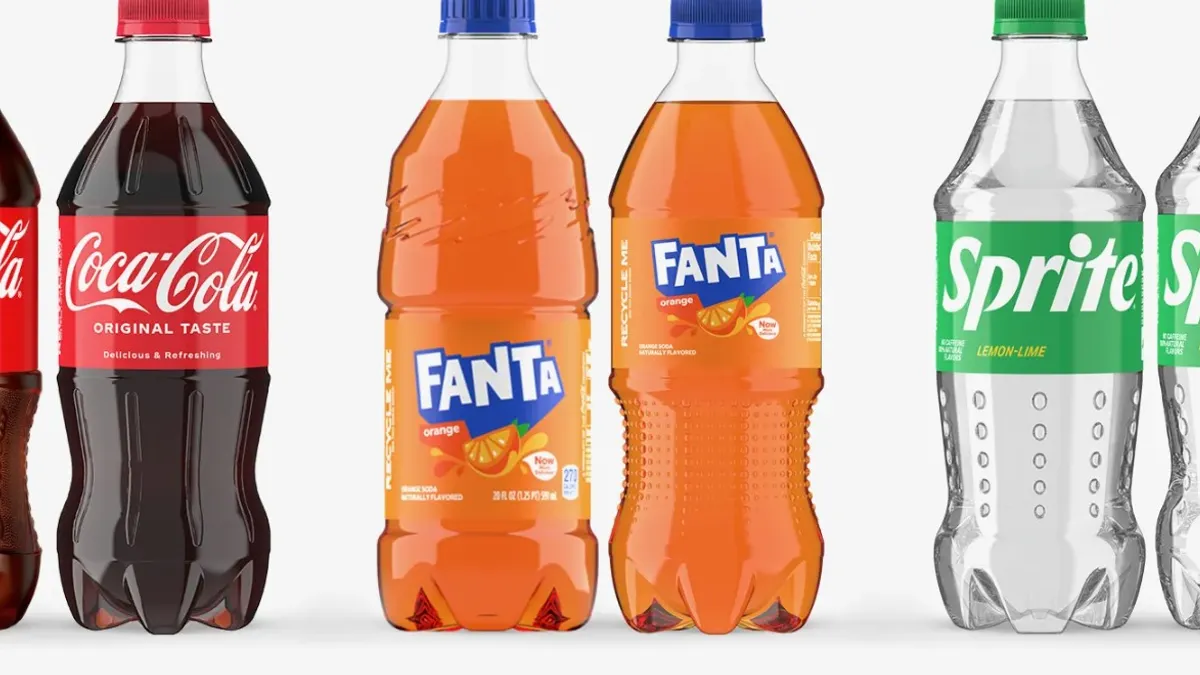
Ameripen, the Consumer Brands Association and the Consumer Technology Association found most brands believe another 5 to 10 percent reduction is possible with new materials, better design and more supportive policy. Lightweight PET bottles from Coca Cola, Amazon’s move from boxes to paper mailers and Unilever’s refillable formats demonstrate how much low hanging fruit has already been picked. 🔹 The Catch: Safety and Performance
California’s SB 54 requires a 25 percent cut in single use plastic packaging by 2032, but companies warn that packaging still has to protect the food inside. As recycled content mandates rise, some formulations require more material to maintain performance, which directly conflicts with source reduction targets. 🔹 When Sustainability Goals Collide
Compostable packaging can reduce landfill waste, but often requires thicker structures. Recyclability rules may restrict material choice and limit lightweighting options. And higher recycled content can weaken barrier integrity, prompting brands to add virgin layers to compensate. 🔹 Tracking the Impact
While most companies claim to track packaging reduction, only half have automated systems. Without better measurement, it gets harder to prove progress or make smart trade offs between weight, recyclability and durability. 📢 Bottom Line:
The industry has made real gains in cutting packaging weight, but the next phase will be slower and more complicated. Brands will need stronger supplier collaboration, clearer regulatory alignment and better data systems to reduce material without compromising safety or performance. |
|
|
🥗 Functional Is Quietly Becoming The New Baseline |
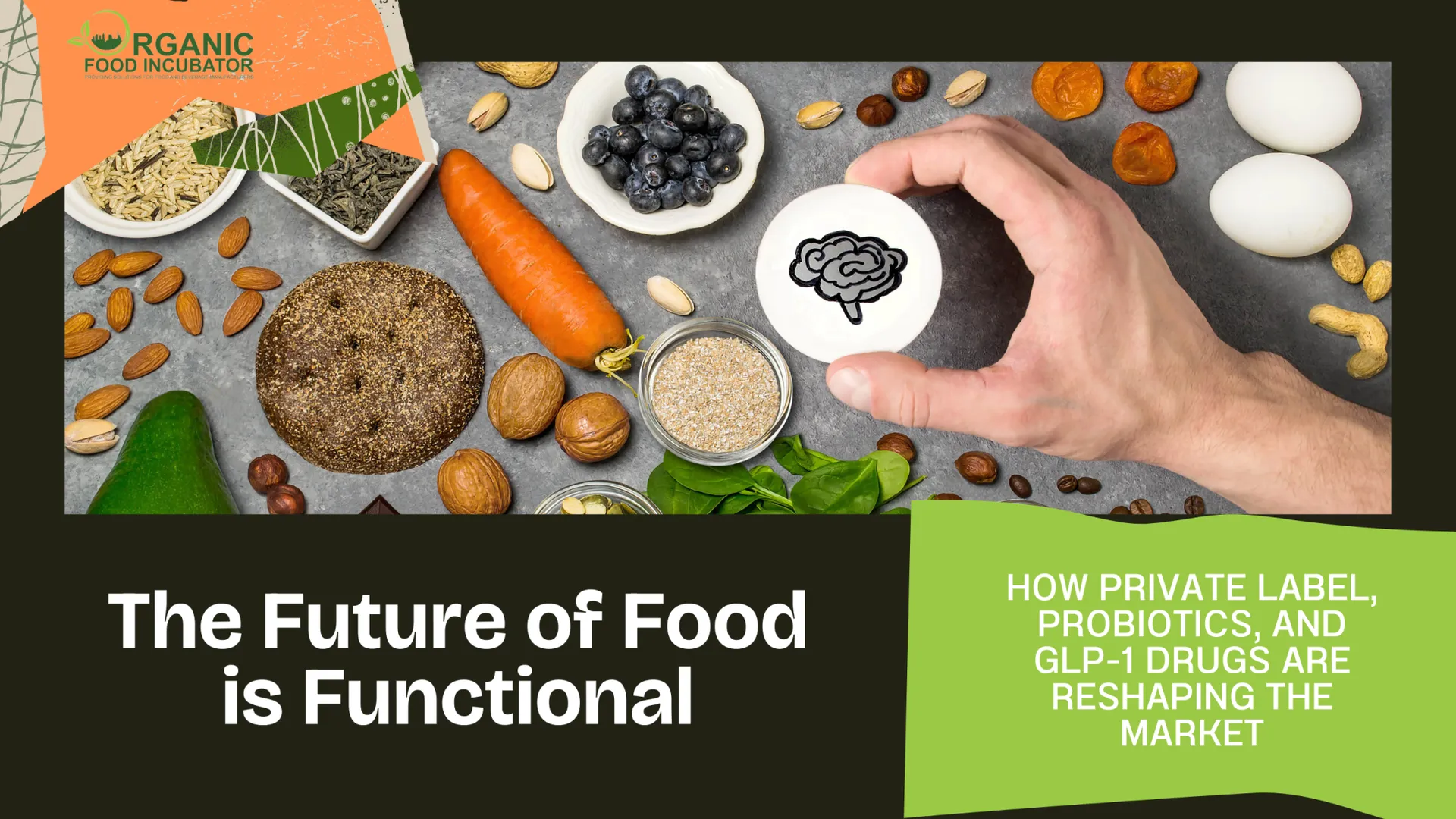
Not long ago, functional food was a niche. Today, it is quietly becoming the expectation. At the OFI, we are seeing the same pattern across projects. If a product does not clearly support energy, satiety, gut health, or metabolic health, it has a harder time earning space on the shelf.
GLP-1 drugs are speeding that up. When someone eats less overall, every bite has to do more work. That shifts demand toward smaller portions that are protein rich, fiber rich, and genuinely nutrient dense, rather than just low calorie.
At the same time, private label has turned into one of the fastest ways retailers test these ideas. Store brands are no longer the cheap option. They are where many of the most interesting functional concepts show up first, especially in better for you categories.
Beverage aisles tell the same story. Sugary sodas and empty refreshment are giving way to kombucha, probiotic sodas, and electrolyte drinks that promise real benefits for gut health, hydration, and metabolism. What used to live in the wellness set is moving into the weekly shop. 🚀 Chef Mike’s Take:
If you are planning your next product, start with the function, then build flavor and brand around it. The brands that win this wave will make it very obvious why their product deserves a place in a smaller, more intentional daily diet. |
|
|
🌆 Why Local Co-Packing Matters For North Brooklyn |
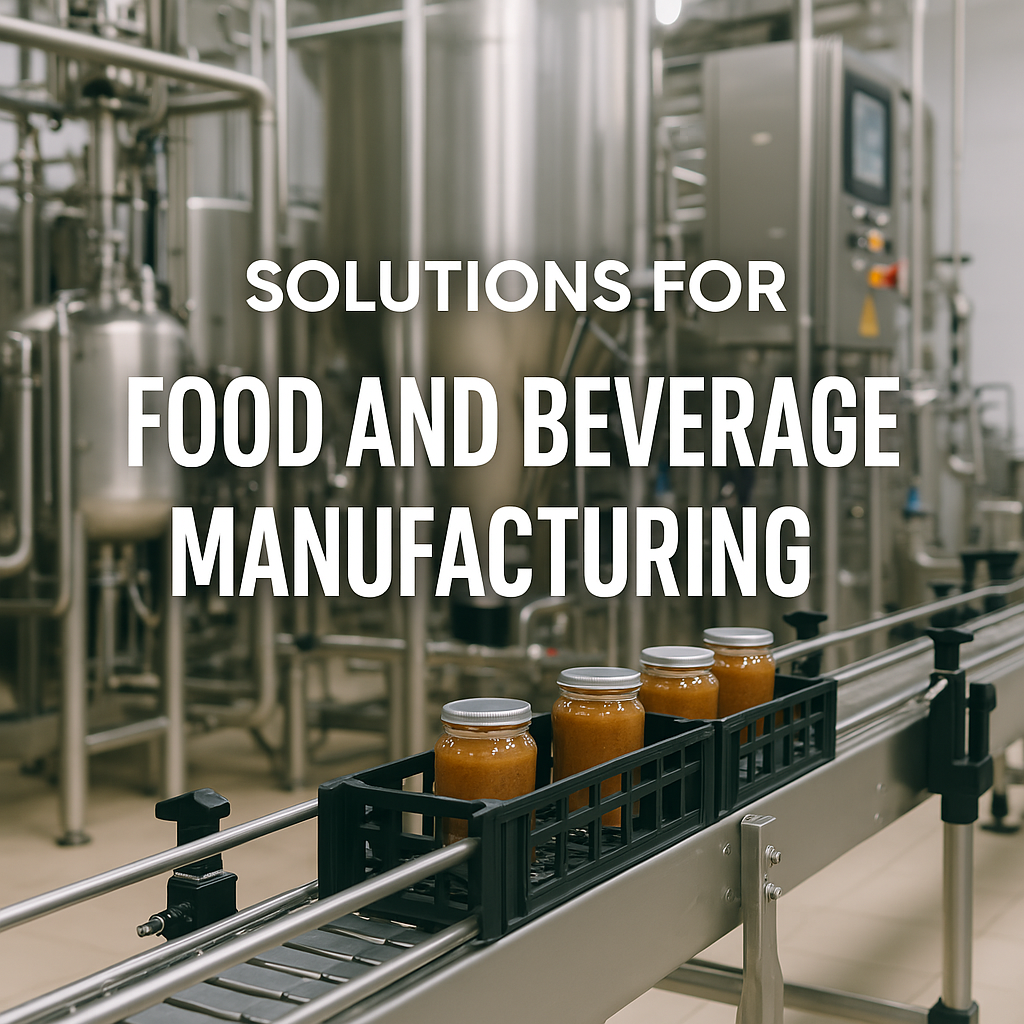
Evergreen works with more than a thousand industrial firms across North Brooklyn, from legacy manufacturers to emerging food brands like Grady’s Cold Brew and Pure Luck Kombucha. Through that work, they have seen how the OFI fills a critical gap for growing food businesses that are ready to scale but cannot easily expand production in New York City on their own.
“Local co-packing would be beneficial in helping these firms grow, and also keeping the job growth in NYC. Given their track record and experience, the Organic Food Incubator is uniquely poised to assist these firms and retain the high quality jobs that are created for NYC residents.”
—Leah Archibald, Executive Director, Evergreen
Evergreen’s support highlights the OFI’s role not just as a facility, but as part of the city’s industrial infrastructure, helping specialty food entrepreneurs expand while keeping production and jobs rooted in New York. |
|
|
📅 Event Highlight: Natural Products Expo West 2026 |
Discover the biggest stage in the natural and organic products world. Expo West brings together thousands of emerging brands, established CPG leaders and retail buyers to explore the newest innovations in clean label, functional foods, better for you beverages and sustainable packaging. Expect high-value networking, trend scouting and real buyer conversations that can accelerate your product’s next stage of growth. 🗓 March 3–7, 2026
📍 Anaheim Convention Center, Anaheim, CA |
|
|
“No one who cooks, cooks alone. Even at her most solitary, a cook in the kitchen is surrounded by generations of cooks past, the advice and menus of cooks present, the wisdom of cookbook writers.” |
|
|
No longer want to see this newsletter? That's OK! There's an unsubscribe button at the bottom. |
Copyright The Organic Food Incubator 2025 38 Davey Street, Bloomfield, NJ 07003 |
|
|
|