Hey, it's Chef Mike
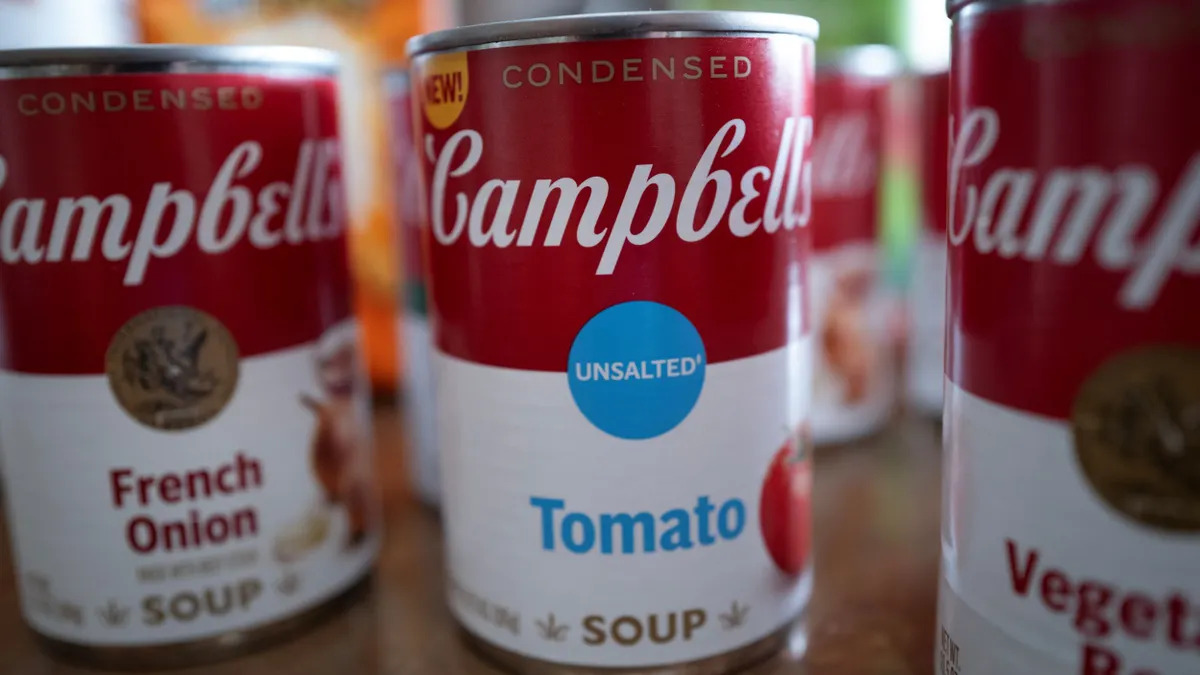
Watching Campbell’s appoint a new leader for its snacks division is a reminder that growth often hinges on more than the next product launch. At some point, every founder faces the same tension, bringing in fresh perspective or leaning on proven operators to execute at scale.
Would your next phase of growth benefit more from a product visionary or a scaling operator? Hit reply with your stage (idea, early sales, retail push), and I’ll suggest which profile tends to unlock the next step. Contents: 🧭 Campbell’s Names New Snacks Division Leader 🚀 Transform Your Food Idea Into a Market-Ready Product in 120 Days 🥦 Lowering the Barrier to Entry for Food Startups 📅 Event Highlight: Future Food-Tech Summit |
|
|
🧭 Campbell’s Names New Snacks Division Leader |
Leadership shifts within major CPG companies often point to how businesses are positioning themselves for growth in evolving consumer categories. Here’s what you need to know: 🔹 New Leadership in Snacks
Campbell’s has appointed a new president to lead its snacks division, overseeing a portfolio that includes key growth brands.
🔹 Category Growth Focus
The snacks segment remains a strategic priority as demand for convenient, better-for-you, and on-the-go options continues to evolve. 🔹 Operational and Innovation Alignment
New leadership is expected to support both product innovation and supply chain execution across the division. 🔹 Responding to Market Pressures
The appointment comes as food companies navigate shifting consumer preferences, cost pressures, and competitive private-label offerings. 🔹 Building for the Next Phase
Strengthening leadership in core growth segments reflects an effort to balance brand investment with operational discipline. 📢 Bottom Line:
As snack categories continue to change, leadership decisions are becoming closely tied to how companies pursue innovation, manage costs, and maintain relevance in a more competitive retail environment. 🗓️ Read the full article |
|
|
🚀 Transform Your Food Idea Into a Market-Ready Product in 120 Days |
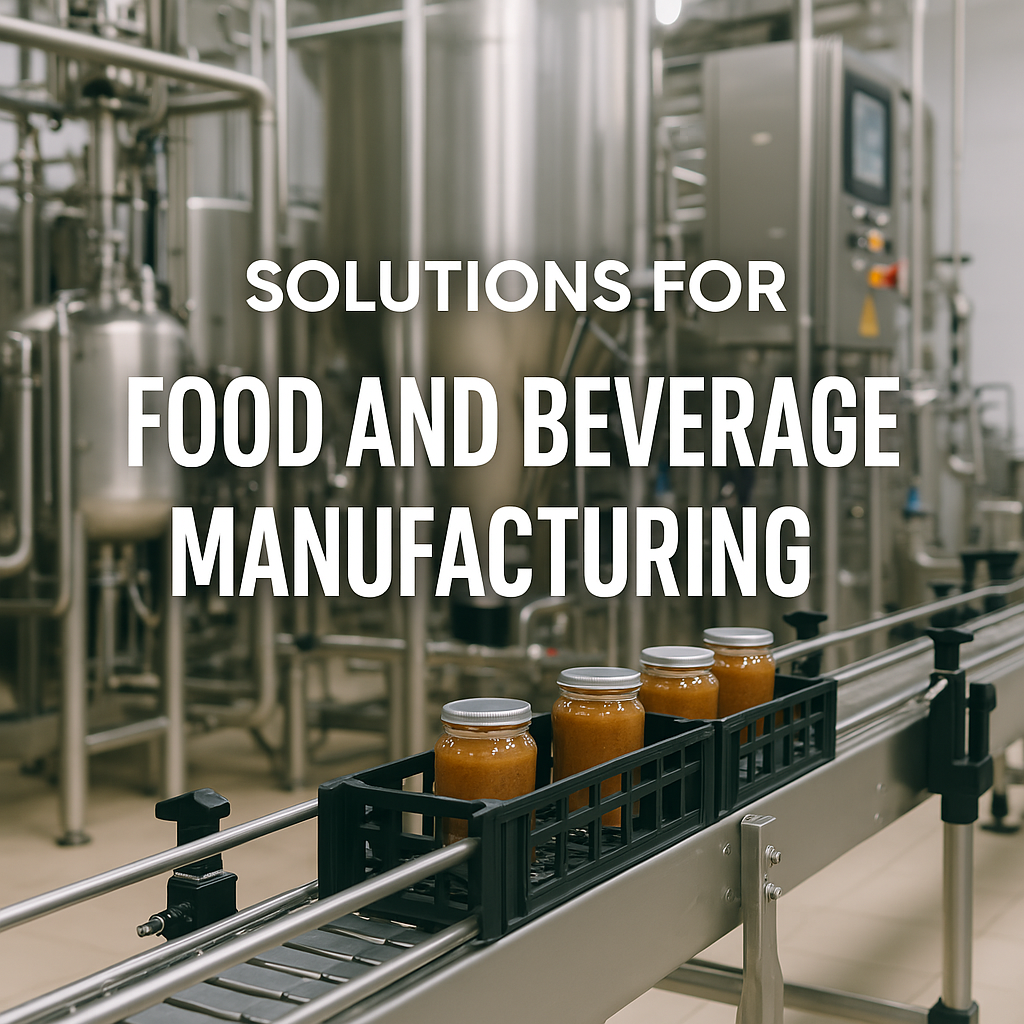
Speed to market can be a decisive advantage for food and beverage brands, especially in categories where timing often determines traction. Shortening development cycles requires structure, coordination, and the right operational support. Here’s how brands can execute a 120-day launch timeline: 🔹 Validate Before You Build
Ground your product in real customer insights and clarify regulatory requirements early to avoid costly pivots later in development. 🔹 Leverage Established Networks
Tap into trusted co-manufacturing and supplier relationships to streamline sourcing, reduce onboarding time, and eliminate unnecessary trial and error. 🔹 Run Parallel Workstreams
Move formulation, compliance, packaging, and operations forward simultaneously using proven templates and experienced oversight to maintain momentum. 🔹 Operational Leadership Matters
Experienced guidance helps anticipate bottlenecks, manage capital efficiently, and keep execution aligned with launch goals. 🚀 Mike’s Take:
Founders often lose time navigating operational complexity. A disciplined framework and experienced support can turn a lengthy development cycle into a focused, efficient sprint, without sacrificing quality or compliance. 🗓️ Read the full article |
|
|
🥦 Lowering the Barrier to Entry for Food Startups |
In its early days, Hungryroot relied on the OFI to access the kind of commercial kitchen infrastructure that would have been impossible to afford on its own. Instead of tying up limited capital in equipment and build out, the team could focus on product, brand, and learning the production process with hands on guidance from Mike Schwartz and his crew.
"The Organic Food Incubator has been invaluable in offering our startup business the correct commercial kitchen infrastructure at a reasonable price. We never would have had the ability to get our business off the ground financially as the cost of investing into a kitchen is prohibitive."
- Greg Struck, Co-Founder, Hungryroot
This kind of early support, pairing space with real production know how, shows how the OFI helps young brands move from idea to viable operation, especially when traditional manufacturers will not work with them due to minimums or startup risk. |
|
|
📅 Event Highlight: Future Food-Tech Summit |
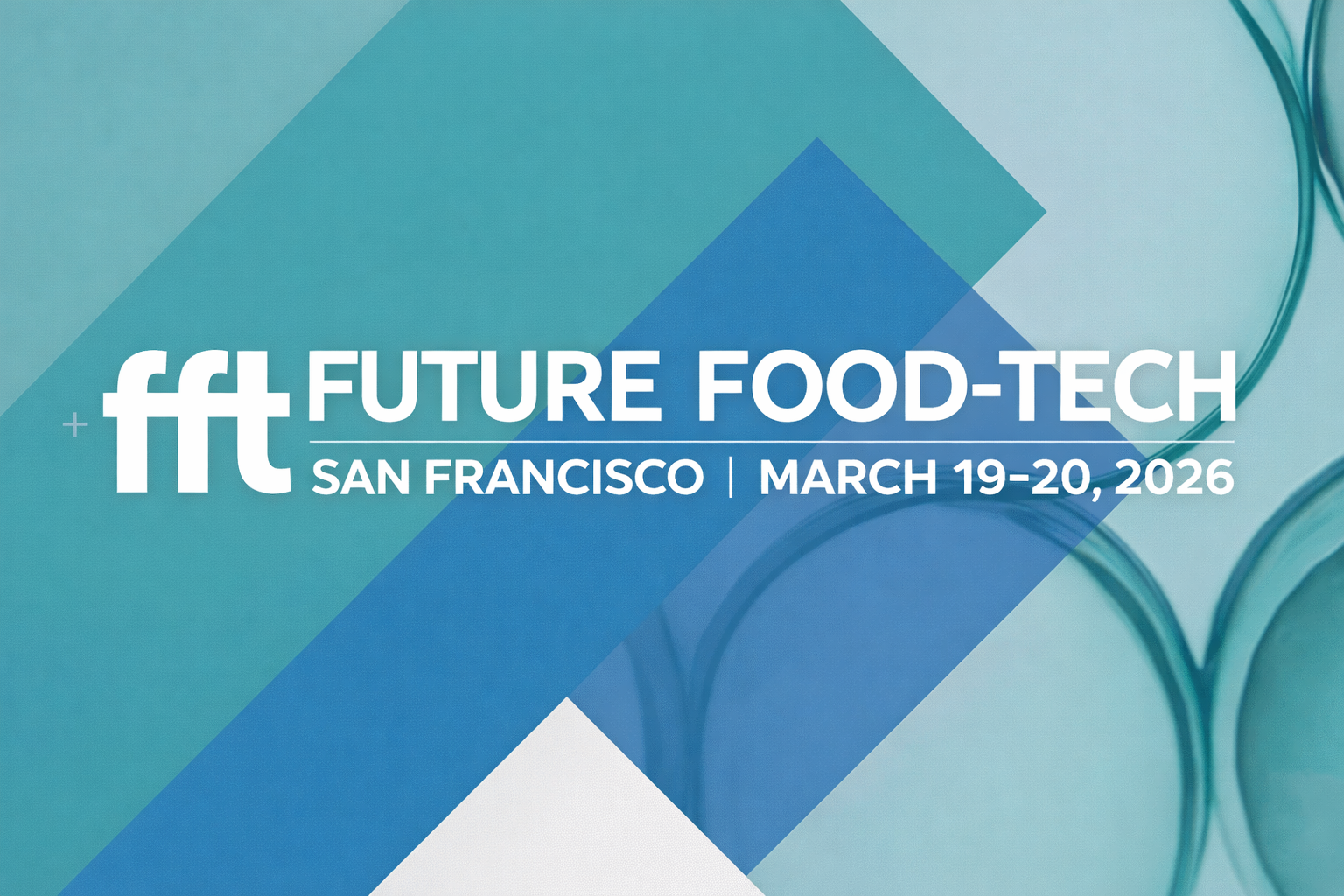
The Future Food-Tech Summit brings together global leaders, innovators, and investors shaping the future of food. Designed for decision-makers across CPG, ingredient innovation, and technology, the event focuses on building a healthier and more sustainable industry.
This two-day summit convenes founders, product developers, and established brands looking to connect with forward-thinking partners before trends reach the mainstream. From functional ingredients to scalable food tech solutions, the program centers on actionable innovation. Why attend? 🔹 Connect with manufacturers, co-packers, investors, and technology partners driving next-generation solutions
🔹 Experience live demonstrations of emerging functional, wellness, and sustainability-focused innovations
🔹 Gain practical insights on reformulation, scaling operations, and shifting consumer expectations 📍 Location: Marriott Marquis, San Francisco
📆 Dates: March 19–20, 2026
👉 Book Tickets Here! |
|
|
“A good restaurant is like a vacation; it transports you, and it becomes a lot more than just about the food.” |
| |
No longer want to see this newsletter? That's OK! There's an unsubscribe button at the bottom. |
Copyright The Organic Food Incubator 2026 38 Davey Street, Bloomfield, NJ 07003 |
|
|
|