Hey, it's Chef Mike
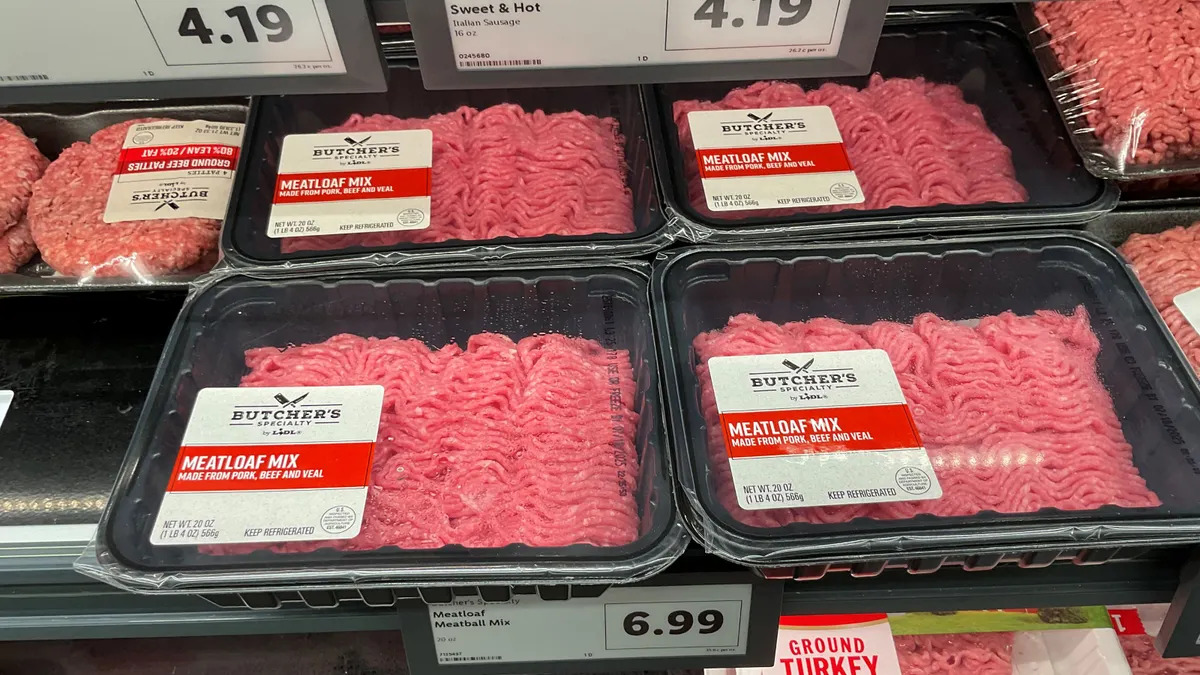
Grocery prices are expected to rise again in 2026, and that pressure doesn’t stop at the shelf. It moves upstream to product teams balancing ingredient costs, retailer pricing expectations, and margin targets. Even small formulation or sourcing decisions can quickly impact production scalability and profitability. Where are rising costs hitting your team the hardest right now: ingredients, packaging, or production? Reply and let me know.
Contents: 🛒 Rising Grocery Prices Keep Pressure on Food Brands 🧑🤝🧑Why Every Founder Needs a Fractional Partner
🌆 Why Local Co-Packing Matters For North Brooklyn 📅 Event Highlight: Bar & Restaurant Expo Showcases the Future of Foodservice Innovation |
|
|
🛒 Rising Grocery Prices Keep Pressure on Food Brands |
Food prices for groceries are expected to rise again in 2026, continuing a trend that has kept pressure on both consumers and food manufacturers.
According to recent USDA projections, the cost of food purchased for home consumption is forecast to increase as supply chain costs, labor, and ingredient prices remain elevated. Here’s what product teams should know:
🔹 Grocery Prices Still Trending Up
USDA forecasts continued increases in retail grocery prices, extending several years of steady food-at-home inflation.
🔹 Cost Pressure Across the Supply Chain
Higher input costs, including ingredients, transportation, and labor, are contributing to ongoing pricing pressure across food categories.
🔹Retailers Watching Price Sensitivity
As consumers remain price-conscious, retailers are balancing price increases with demand for value and private-label alternatives.
🔹Implications for Product Development
Brands may need to focus on cost-efficient formulations, optimized packaging, and supply chain partnerships to maintain margins while keeping products competitive 📢 Bottom Line:
With grocery prices expected to remain elevated, product development teams are under increasing pressure to design products that deliver value, maintain quality, and remain profitable in a cost-sensitive market.
Read the full article here |
|
|
🧑🤝🧑Why Every Founder Needs a Fractional Partner |
Building and scaling a food brand requires more than a strong product, it demands strategic oversight across operations, finance, and execution. Many founders quickly discover that going it alone can slow progress and create avoidable risk. Here’s why a fractional business partner can make the difference: 🔹 Sharper Strategic Focus
A seasoned partner helps clarify priorities, sequence initiatives, and build a practical growth roadmap. 🔹 Operational Structure
Experienced oversight strengthens supply chain coordination, margin management, and execution discipline. 🔹 Financial Guardrails
Improved forecasting and capital planning protect runway and prepare the business for scale. 🔹 Objective Leadership Support
An external operator provides candid feedback, structured accountability, and executive-level thinking, without the cost of a full-time hire. 🔹 Stronger Foundation for Growth
Putting scalable systems in place early reduces friction as distribution, production, and team size expand.
📣 Mike’s Take:
Founders don’t have to build alone to stay in control. The right fractional partner brings clarity, discipline, and momentum, helping transform complexity into focused, scalable growth. Read the full article for actionable insights |
| |
🌆 Why Local Co-Packing Matters For North Brooklyn |
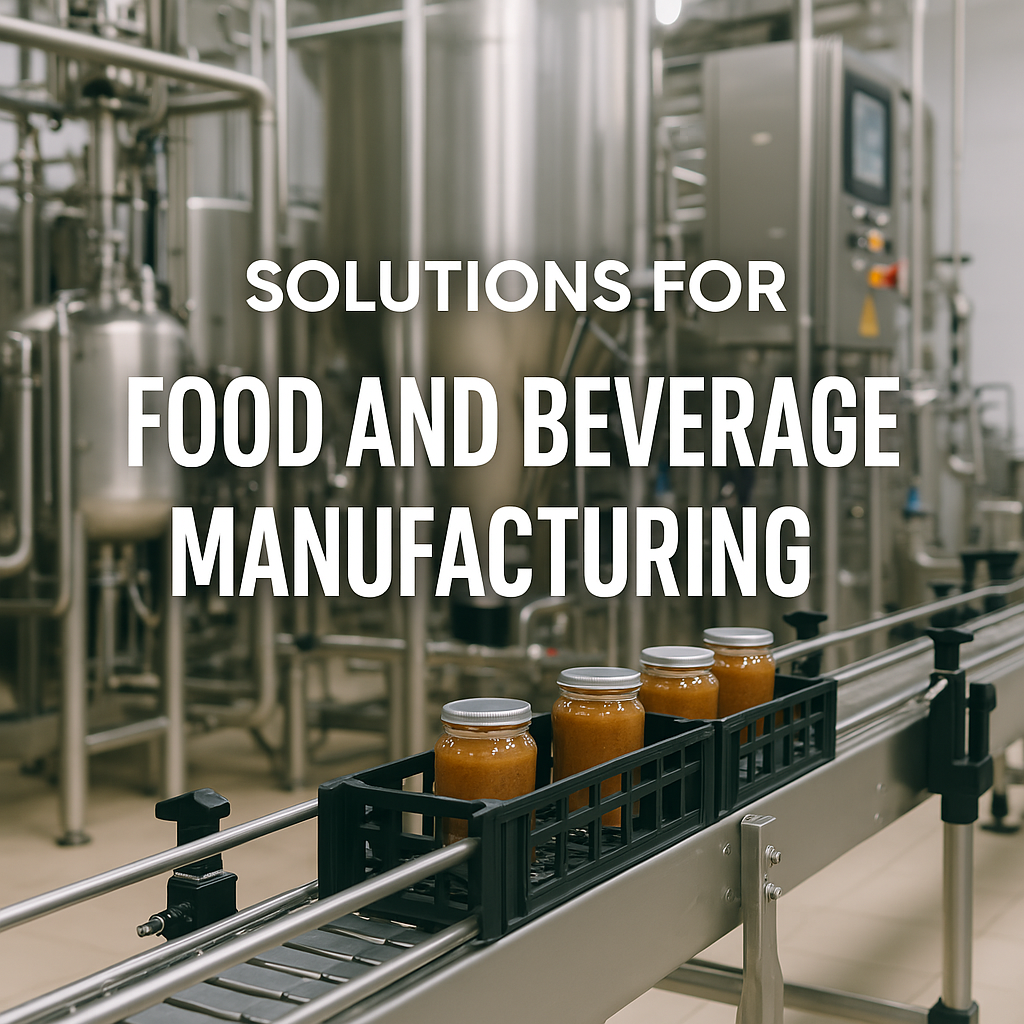
Evergreen works with more than a thousand industrial firms across North Brooklyn, from legacy manufacturers to emerging food brands like Grady’s Cold Brew and Pure Luck Kombucha. Through that work, they have seen how the OFI fills a critical gap for growing food businesses that are ready to scale but cannot easily expand production in New York City on their own.
“Local co-packing would be beneficial in helping these firms grow, and also keeping the job growth in NYC. Given their track record and experience, the Organic Food Incubator is uniquely poised to assist these firms and retain the high quality jobs that are created for NYC residents.” —Leah Archibald, Executive Director, Evergreen
Evergreen’s support highlights the OFI’s role not just as a facility, but as part of the city’s industrial infrastructure, helping specialty food entrepreneurs expand while keeping production and jobs rooted in New York. |
|
|
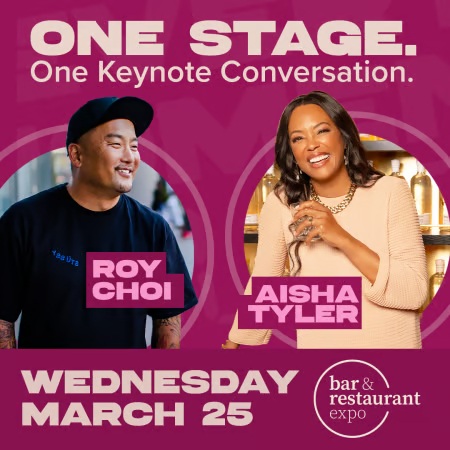
📅 Event Highlight: Bar & Restaurant Expo Showcases the Future of Foodservice Innovation |
The Bar & Restaurant Expo is one of the largest gatherings dedicated to the restaurant, bar, and hospitality industry in the United States. The event brings together operators, suppliers, and innovators to explore new products, technologies, and strategies shaping the future of foodservice.
Held annually in Las Vegas, the expo highlights trends across beverages, menu development, operational technology, and customer experience—offering valuable insight into how restaurant innovation influences the broader food and beverage market. Why attend? 🔹Discover new beverage products, bar equipment, and menu innovations
🔹Explore emerging trends in restaurant operations, technology, and customer experience
🔹Learn from industry leaders through educational sessions and demonstrations
🔹 Connect with restaurant operators, distributors, and hospitality suppliers 📍 Location: Las Vegas, Nevada
📅 Dates: March 24–25, 2026
See event details here! |
|
|
“Food is not just fuel. Food is information.” |
|
|
No longer want to see this newsletter? That's OK! There's an unsubscribe button at the bottom. |
Copyright The Organic Food Incubator 2026 38 Davey Street, Bloomfield, NJ 07003 |
|
|
|